Nate
Place of Residence: Hollister, California
Nate was a healthy, 9-day-old newborn when he developed a rash that quickly escalated into a severe illness. Despite receiving extensive care at a top hospital, Nate passed away from chickenpox at just 24 days old.
His parents, Summer and Daniel, share their family’s story below.
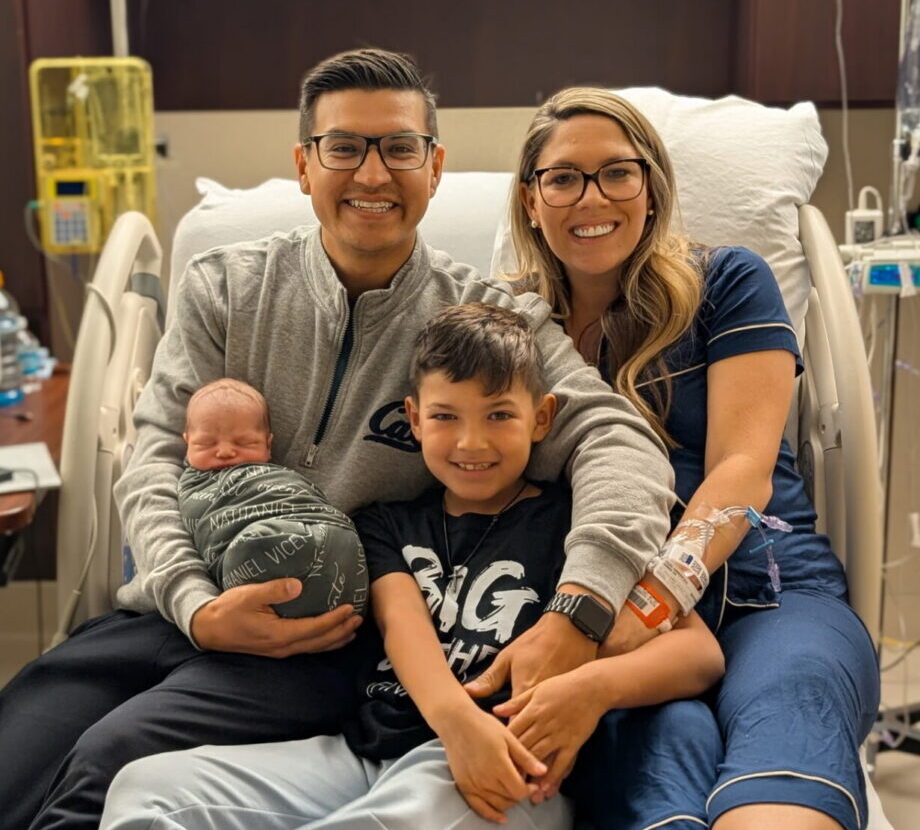
How would you describe Nate? What was he like?
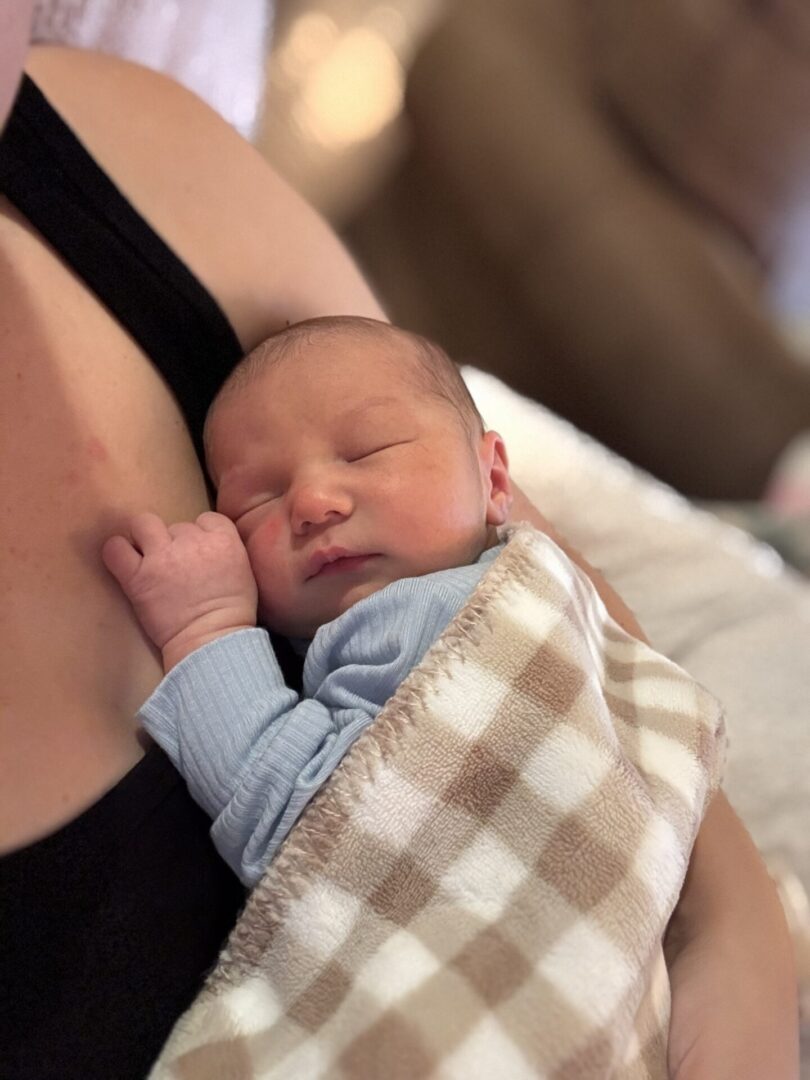
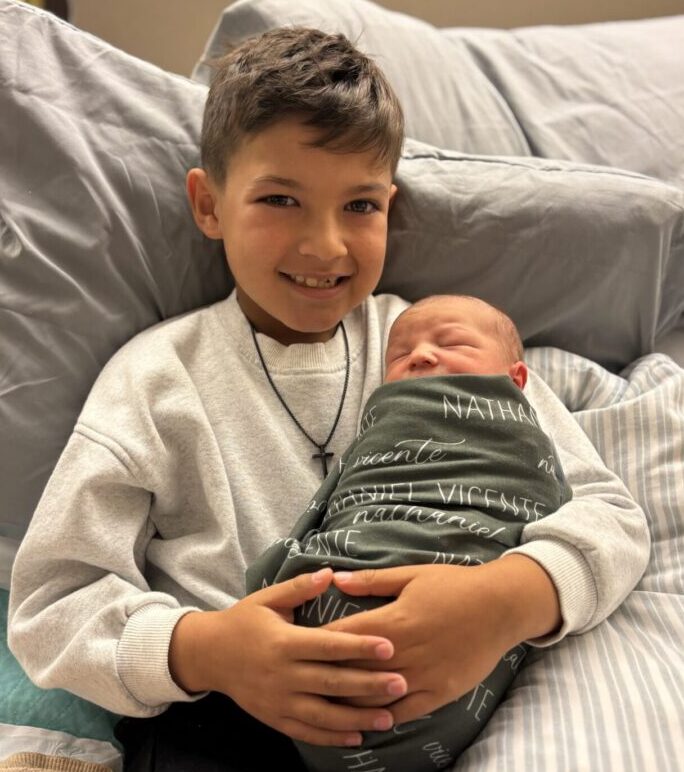
Nate was a healthy newborn who loved to eat, sleep, and be cuddled by his mommy and daddy. He knew nothing but love, and he brought pure joy and happiness to our family, especially to his older brother Benji. Baby Nate’s squishy little face and soft cries made our hearts explode.
Though he was only home for 10 days, Nate changed our lives in that short time. After nearly seven years of infertility and loss, we prayed for the day that Benji would become a big brother. Nate was exactly what our family needed.

When did Nate get sick? How did you know he wasn’t feeling well?
When I was 34 weeks pregnant with Nate, our older son Benji went over to a friend’s house. The family had chosen not to vaccinate their children, and they had chickenpox. Benji was vaccinated and I did not know I was not immune, nor did I know the risk it posed to me or the baby.
Nate was born healthy, but around nine days later, he developed a full body rash. We took him to the emergency room (ER), where the doctor said it was a common, harmless newborn rash. When Nate refused to eat the next day, we knew something was wrong.
We took Nate back to the ER, where the doctors determined he had sepsis. They suspected varicella, also known as chickenpox, was causing Nate’s concerning symptoms. Shortly after, we were transferred to Stanford Children’s Hospital for more specialized treatment. There, the doctors informed us that Nate was critically ill and warned us that the outcome was not looking favorable.
How did Nate’s illness progress?
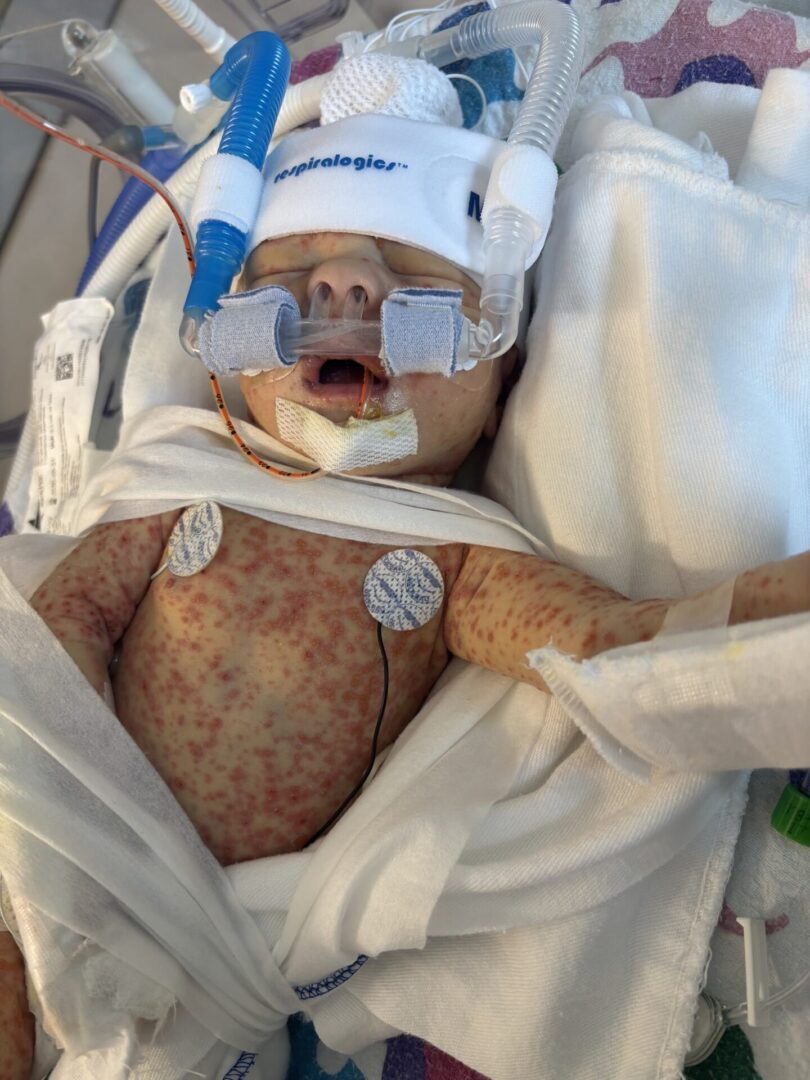
Nate spent the first three days at Stanford intubated, which means the doctors placed a tube down his airway to help him breathe. The varicella virus was affecting his whole body, wreaking havoc, and causing severe respiratory distress. Nate’s liver was failing, and his kidneys weren’t working properly due to all the medications he needed to receive.
On the fourth day of Nate’s hospitalization, when he was 14 days old, the doctors decided he needed to be placed on extracorporeal membrane oxygenation (ECMO). Also known as life support, this machine provides mechanical breathing and heart support and is used when all other treatments have been tried.
Nate spent 10 days on ECMO due to complete respiratory failure. Throughout those 10 days, he had many ups and downs. He had several skin biopsies, a urinary catheter placed, and multiple close calls with a urinary tract infection (UTI), which could have been lethal given how weak his body was.
Nate had to remain in a sedated state because he was extremely uncomfortable and agitated. As parents, this was incredibly hard to watch. We felt so helpless because there was nothing we could do.
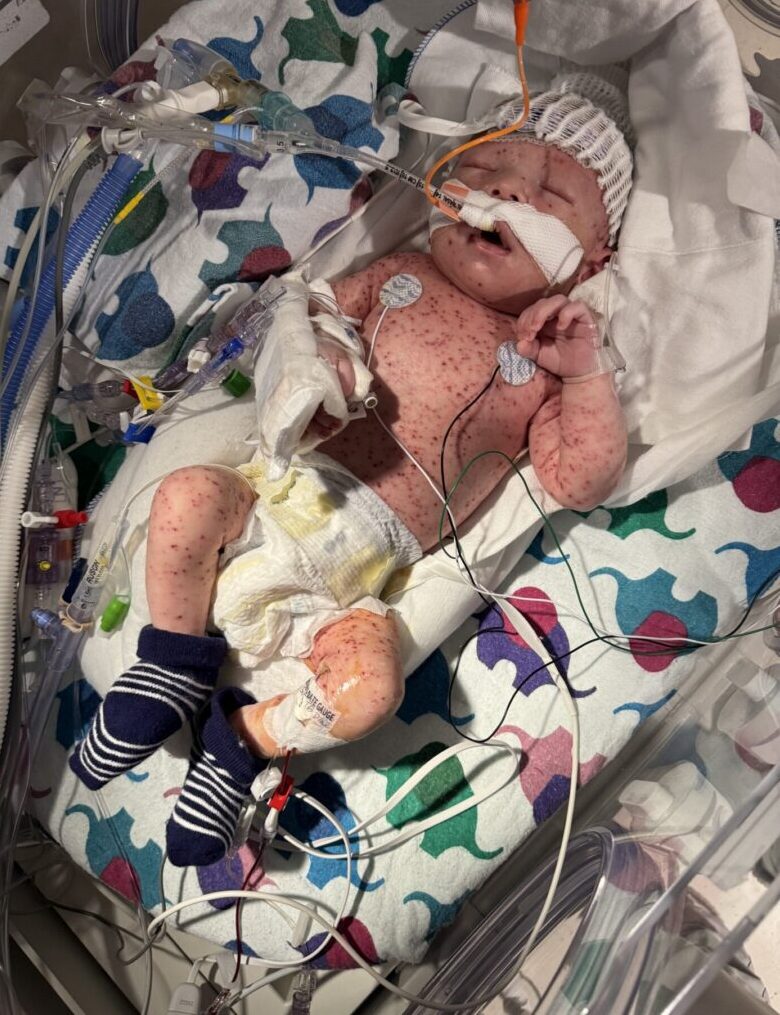
Chickenpox is known for its distinct rash, which can give the impression that chickenpox only affects the skin. But the way it infiltrated the inside of our poor baby’s body was devastating. The yellow puss that was all over Nate’s skin was the same color of the liquid draining from his lungs.
Varicella affected several of Nate’s organs: his lungs were so weak that for seven days, they were deflated and in complete rest mode while a machine breathed for him. His liver had suffered so much damage that Nate developed severe jaundice. The medications Nate needed strained his kidneys and caused water retention, so our baby boy looked different every hour. The doctors were even planning to start him on dialysis if he made it off ECMO, which is a treatment that removes excess fluid and waste from the blood when the kidneys are unable to.
While Nate was on ECMO, we weren’t allowed to hold him, touch him, and at one point we had to stop talking to him because he would squirm around, which would move the ECMO tubes that connected Nate’s body to the machine.
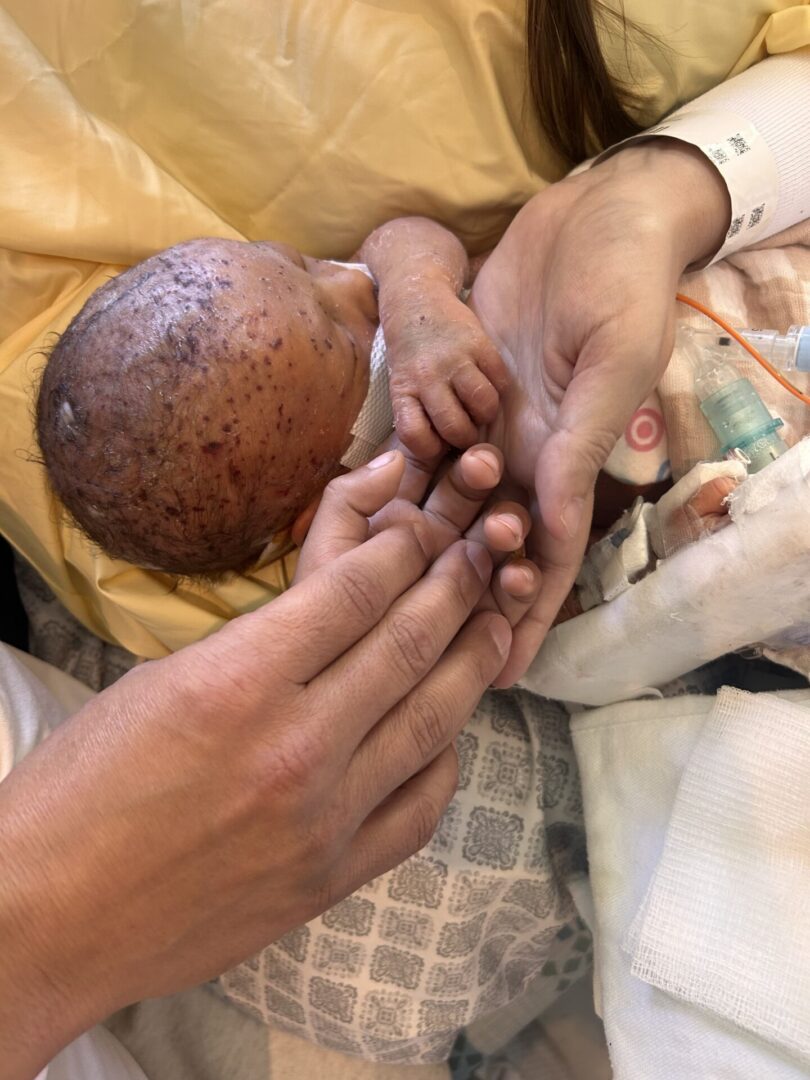
The doctors explained that Nate was on a very high level of ECMO support because he was so severely ill, and yet every day, they discussed taking him off ECMO as soon as possible, because the treatment increases the risk for severe brain bleeds.
The doctors also warned us that it was already likely that Nate’s brain had been injured from the lack of oxygen throughout his body and the damage from the varicella virus. While it was never confirmed by a spinal tap, which collects a sample of cerebrospinal fluid from the lower back for testing, the doctors highly suspected that the varicella virus had entered Nate’s central nervous system.
When he was just 24 days old, we got the call no parent ever wants to receive. While weaning Nate off ECMO, he had suffered a catastrophic brain bleed and was considered brain dead. At this point, we transitioned Nate to end-of-life care. He passed the next day.
What do you want people to know about chickenpox?
Varicella is extremely dangerous to pregnant women and their newborn baby. I didn’t know that I wasn’t immune. The doctors told us that had Nate lived, he would have had a very difficult life due to all the damage varicella inflicted on his body. He would have had development delays and physical disabilities, and his lungs would have been permanently weakened.
Parents who make the choice not to vaccinate their children should know the risks they are posing to society. The family that exposed Nate’s older brother welcomed him into their home before informing us that their child had chickenpox. They were out in public with chickenpox, exposing other families. While vaccination may feel like a personal decision, people need to understand and consider the risk they are posing to other people and families in their community by being unvaccinated.
When we first sought medical care for Nate, the pediatrician didn’t diagnose him with chickenpox because they didn’t expect an infant to have a disease that has been almost eliminated in the United States. Our Baby Nate was the first recorded death of varicella in an infant since California medical records became digitized more than 15 years ago.
Nate was an IVF baby that we hoped and prayed for. His older brother wanted to be a big brother for so many years and is now left with a broken heart and 10 days of memories. Nate was a healthy, vibrant, beautiful newborn. I wouldn’t wish the way we watched our baby boy suffer on my worst enemy. No child should ever have to experience what my baby experienced. The illness that killed our son was preventable.
After Nate’s passing, our pediatrician shared with us that they were going to have to ask a family to leave the clinic because the family had decided not to vaccinate. But before our pediatrician could have that conversation, the family came back and had changed their minds because they heard that a baby in the community had passed away from chickenpox. The family said they wanted to start with that vaccine.
Our family didn’t know the risks of chickenpox until it was too late. We tell our story to advocate and raise awareness about how important it is to “vaxi-Nate.” We want Nate’s death to make a difference. We want Nate’s story to live on and reach families like the one in our clinic. Most of all, we want people to know what a treasure Nate was.
Become a vaccine advocate
Whether you or a loved one has been affected by a vaccine-preventable disease or you simply want to share what vaccines mean for your family, we want to hear your story.