Pneumococcal Disease
What is pneumococcal disease?
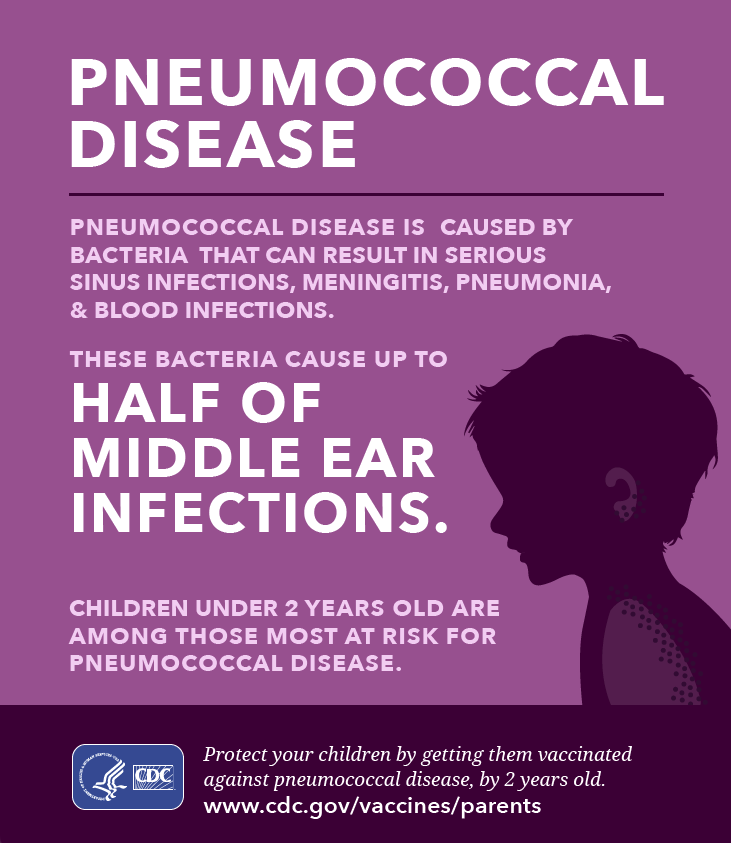
Pneumococcal disease is caused by the bacteria Streptococcus pneumoniae (S. pneumoniae). It spreads through coughing and sneezing and can affect people of all ages, but young children and older adults are at the highest risk for serious illness and death.
Types of pneumococcal disease include pneumonia (lung infection), meningitis (infection of the lining of the brain and spinal cord), bloodstream infections (bacteremia and sepsis), as well as middle ear and sinus infections.
On this page, you can explore how pneumococcal disease spreads, who is at risk, what the symptoms are, how common pneumococcal disease is in children, and how to prevent it.
children who get pneumococcal meningitis will die.
How does pneumococcal disease spread?
Pneumococcal bacteria spreads from person to person through respiratory droplets, for example, when an infected person coughs or sneezes. Close contact increases the risk of transmission, and spread is more common in winter and early spring.
One important feature of pneumococcal bacteria is that many people, especially children, can carry the bacteria in their nose or throat without ever feeling sick. Even without symptoms, a carrier can spread the bacteria to others. This is part of why pneumococcal disease can be difficult to prevent through hygiene alone, and why vaccination is the most effective way to prevent disease.
Children under the age of 5 and adults 50 years or older are at increased risk for pneumococcal disease. Additionally, Black, Alaska Natives, and certain American Indians face a higher rate of pneumococcal disease across all ages. Some adults 19 through 49 years old are also at increased risk, including those:
- With chronic health conditions (lung, heart, liver, or kidney disease; COPD; asthma; diabetes; or alcoholism)
- With conditions that weaken their immune system (HIV/AIDS, cancer, or damaged/absent spleen)
- Living in nursing homes or other long-term care facilities (across all age groups)
- Who smoke cigarettes
- With cochlear implants
- With a cerebrospinal fluid (CSF) leak

It is also important for everyone 6 months and older to get a flu vaccine every year because having the flu increases your chances of getting pneumococcal pneumonia.
What are the symptoms of pneumococcal disease?
Symptoms of pneumococcal disease vary by type but typically include fever/chills. Additional symptoms may include:
- Pneumonia: Cough (often with mucus), rapid breathing or difficulty breathing, chest pain, fatigue or weakness, and nausea/vomiting/diarrhea
- Meningitis: Stiff neck, headache, irritability, confusion, sensitivity to bright light, poor eating and drinking, drowsiness, nausea/vomiting, and seizures. In infants, symptoms may look different and can include a high-pitched cry, a bulging soft spot on the head, irritability that is difficult to soothe, poor feeding, unusual sleepiness, or difficulty waking
- Bacteremia: Fast heart rate, low blood pressure, abdominal pain, nausea/vomiting, and rapid breathing
- Middle Ear Infection: Ear pain (especially when lying down), drainage of fluid from the ear, trouble hearing, and trouble sleeping. Children may tug or pull on their ears, appear off balance, and cry more than usual.
The number of serious pneumococcal cases in the U.S. has declined by more than 90% in young children since the pneumococcal vaccine was introduced more than 20 years ago.
How common is pneumococcal disease in children?
Each year in the United States, pneumococcus causes thousands of cases of pneumonia and ear infections.
Pneumococcal disease is the most common bacterial cause of childhood pneumonia, especially in children younger than age 5 years. These illnesses can lead to disabilities such as deafness, brain damage, or loss of arms or legs. About 1 in 12 children who get pneumococcal meningitis will die. About 1 in 30 children with bacteremia will die.
How can I prevent pneumococcal disease?
Pneumococcal vaccines are the most effective way to prevent pneumococcal disease in children, teens, and adults. In the U.S., two types of pneumococcal vaccines are available: pneumococcal conjugate vaccines (PCV15, PCV20, and PCV21) and the pneumococcal polysaccharide vaccine (PPSV23).

Babies and Children
Children ages 2–23 months should be given PCV15 or PCV20 according to the recommended childhood schedule. (PCV21 is not currently recommended for children.) One dose should be given at age:
- 2 months
- 4 months
- 6 months
- 12 through 15 months
Children 2–18 years old with risk conditions, who may have been inadequately vaccinated, or who have not been vaccinated, may need additional doses. Talk to your child’s healthcare provider to make sure your child is current on their vaccinations.

Adults
Pneumococcal vaccination is recommended for all adults 50 years or older and younger adults (19–49 years) with specific medical conditions.
In October 2024, the CDC updated its pneumococcal vaccine recommendations for adults by lowering the recommended age for vaccination from 65 to 50. This change aims to reduce the relatively high incidence of preventable pneumococcal disease among adults aged 50–64 years and to improve health equity.
If PCV15 is used, it should be followed by a dose of PPSV23 at least 8 weeks to 1 year later, if the individual has not previously had a dose of PPSV23.
If an adult is vaccinated with one dose of PCV20 or PCV21, their pneumococcal vaccination is complete.
Recommended Vaccination Schedules
To ensure that your family is up to date on their vaccines, view or download the immunization schedules and talk to your healthcare provider.
Since there are more than 90 known strains of S. pneumoniae bacteria that cause pneumococcal disease, a previous pneumococcal infection will not protect you from getting the disease again. Therefore, pneumococcal vaccines are still recommended for people who have had pneumococcal disease in the past.