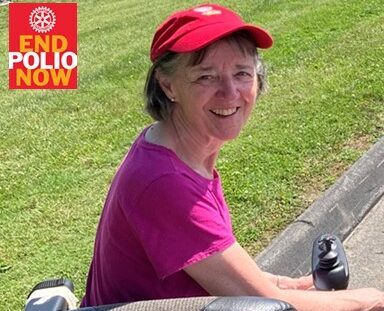
Carol
Carol had a mild case of polio at age 2 in 1954 that went unrecognized for years. Decades later, she developed post-polio syndrome, with leg weakness and pain. She co-founded the PA Polio Survivors Network and urges vaccination.
Polio is a potentially crippling and deadly viral disease that spreads from person to person. Once one of the most feared diseases in the U.S., polio can invade the brain and spinal cord, leading to paralysis. Thanks to widespread vaccination, polio has been eradicated in the U.S., but it continues to pose a threat in some parts of the world.
Before the polio vaccine became available, an average of 50,000 cases were reported in the U.S. each year. Now, annual cases are in the single digits. Polio was one of the most dreaded childhood diseases of the 20th century, with annual epidemics, particularly in the summer. The disease left thousands of victims—mainly children—permanently reliant on braces, crutches, wheelchairs, or in iron lungs. In the 1940s and 1950s, entire hospital wards were filled with polio patients who depended on iron lungs to help them breathe, as the virus could paralyze the diaphragm.
On this page, you can explore the status of polio in the U.S., who is at risk, what the symptoms are, whether there’s a cure, and how to prevent it.
cases of polio, on average, were reported in the U.S. each year before the vaccine. Now annual cases are in the single digits.
While the U.S. has successfully eliminated polio (meaning there have been no confirmed cases of wild poliovirus circulating in the country), polio cases pop up from travelers contracting polio overseas. That is why it is so important to continue vaccinating children here in the U.S. and globally.
Learn more about Rotary’s efforts to eliminate polio around the world.

Anyone who is not up to date with their polio vaccines is at risk of contracting the disease. Although polio has been eliminated in the U.S., it can still be brought into the country from other regions, potentially leading to outbreaks.
Infection with poliovirus can cause a range of symptoms, from mild ones like sore throat and fever to more severe complications, including paralysis and death.
Most people who contract polio will not show visible symptoms. However, according to the CDC, about 1 in 4 people with a poliovirus infection will experience flu-like symptoms that last 2 to 5 days. These symptoms can include:

Poliovirus can cause serious symptoms that affect the brain and spinal cord, including meningitis and paralysis.

Signs of paralytic polio include:

Poliovirus can lead to serious health complications, including meningitis (infection of the lining around the spinal cord and/or brain) and paralysis. Paralysis is the most severe symptom of poliovirus, often resulting in permanent disability or death.
Around 5–10 out of 100 people who experience paralysis from a poliovirus infection may die, as the virus can affect the muscles responsible for breathing.
There is no cure for paralytic polio, nor is there a specific treatment for the disease itself. However, physical therapy may help improve weakness in the arms or legs and support long-term recovery outcomes.
Since polio has no cure, polio vaccination is the best way to protect children and the only way to stop the disease from spreading. There are two types of vaccine that can prevent polio, inactivated polio vaccine (IPV) and oral polio vaccine (OPV). Since 2000, only IPV has been used in the U.S.; however, OPV is still used throughout most of the world.

For the best protection against polio, children need to receive all recommended doses of the polio vaccine. The CDC recommends four doses of IPV for children at the following ages:
If you have never been vaccinated against polio, you should receive 3 doses of the polio vaccine:
For those not fully vaccinated:
If you’ve had 1 or 2 doses of the polio vaccine previously, you should receive the remaining 1 or 2 doses to complete your vaccination series.
For people at increased risk:
If you are fully vaccinated but are at higher risk of poliovirus exposure, you may receive one lifetime booster dose of the polio vaccine.
Carol had a mild case of polio at age 2 in 1954 that went unrecognized for years. Decades later, she developed post-polio syndrome, with leg weakness and pain. She co-founded the PA Polio Survivors Network and urges vaccination.
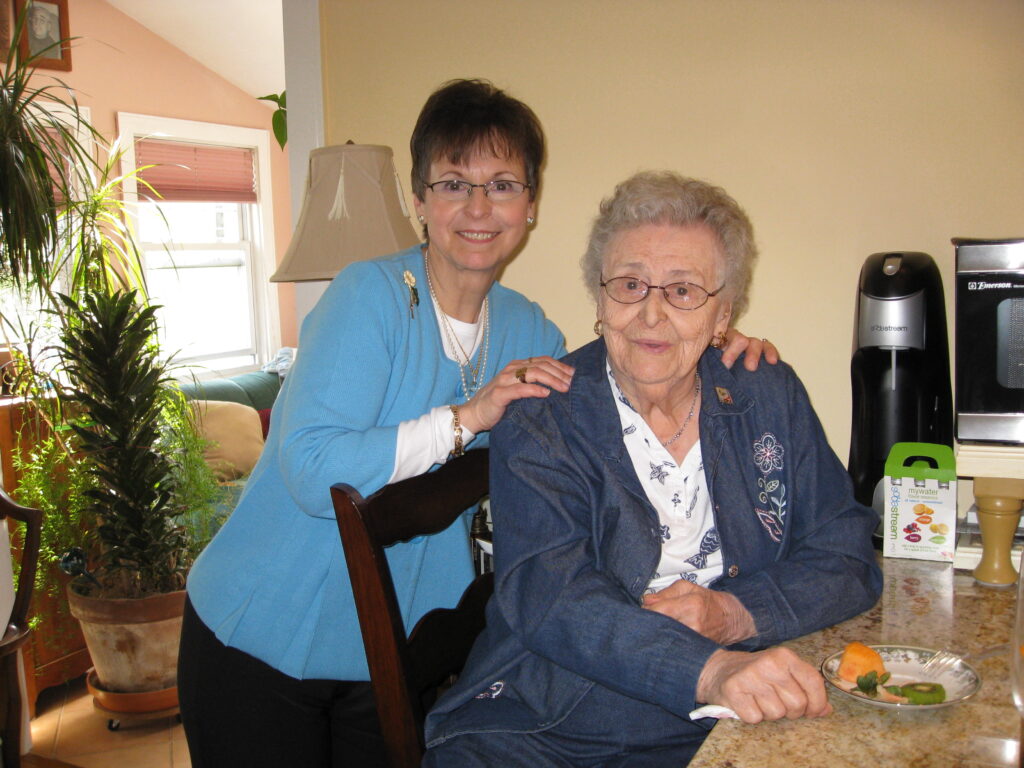
Mildred got polio at age 3 in 1923, leaving her right side weaker for life. When the vaccine arrived in 1955, she vaccinated her daughters right away. Smart and feisty, she lived to 98 and spoke out for vaccines.

Jan was 6 in 1953 when polio swept through her class and paralyzed her. Her twin brother died of polio. Jan recovered, joined the 1954 Salk vaccine trial, and later wrote a memoir. Her message: "Please get vaccinated!"

John got polio at 10 months old in 1953, just before the Salk vaccine was tested. Paralyzed from the neck down, he learned to walk again and played high school sports. Around 40, post-polio syndrome set in. He now advocates for vaccines.
Deborah was 5 when polio left her right side permanently paralyzed. She spent months in a hospital 100 miles from home. During quarantine, her parents could only wave from the parking lot. She now advocates for polio survivors.
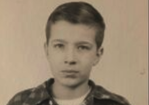
John was an active 12-year-old who loved biking, baseball, and climbing trees when polio left him with a limp. After grueling rehab, he went home in braces and a wheelchair. He used crutches for 65 years and has post-polio syndrome.
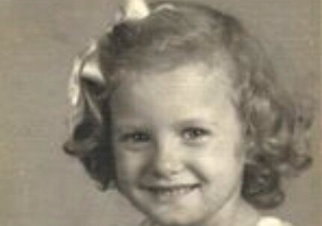
Nancy was 6 in 1950 when polio brought a high fever and stiff neck. She was taken alone by ambulance and spent weeks in isolation, treated with hot packs on her legs. She survived but later developed post-polio syndrome.
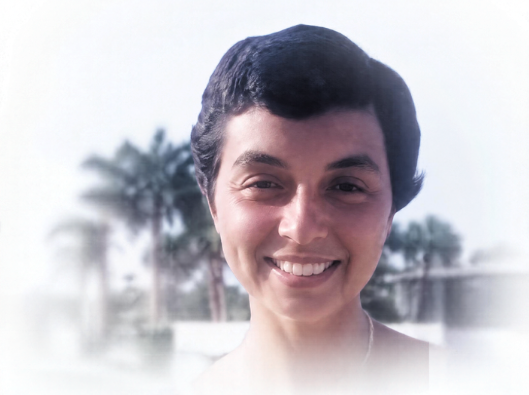
Vera was 22 and traveling through Europe in 1950 when she woke up paralyzed from the waist down in Rome. Diagnosed with polio, she spent a month isolated abroad. She walked on her own within a year but later developed post-polio syndrome.
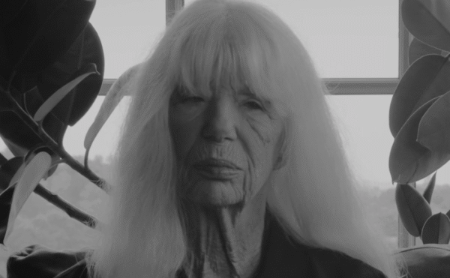
Holly got polio at age 4 in 1942, years before a vaccine existed. She now wears braces to walk and will soon need a wheelchair. She doesn't want any child to suffer as she has and strongly urges parents to vaccinate against polio.
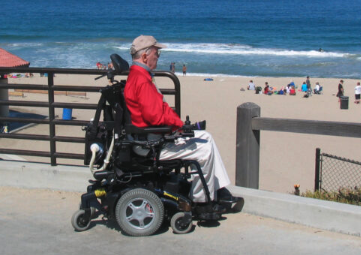
Richard got polio at 13, the summer before eighth grade. He had a tracheotomy with only local anesthesia, spent months in an iron lung, and endured years of therapy. Now using a wheelchair, he shares his story in his memoir, "Not Just Polio."
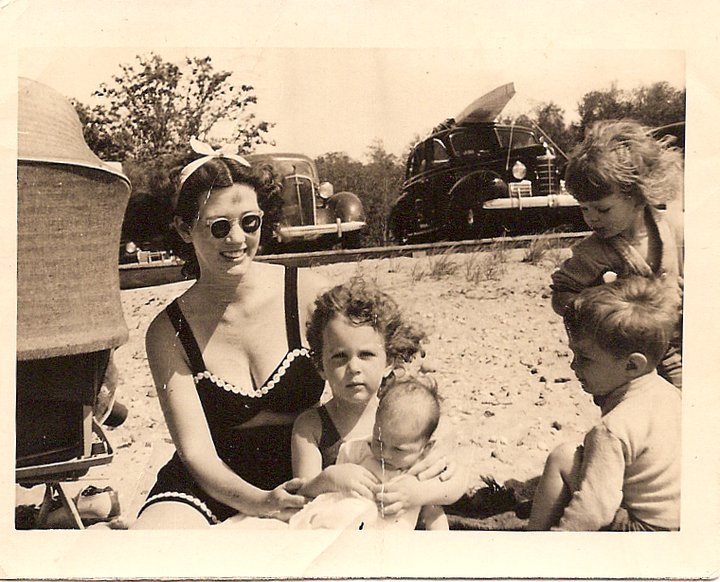
Judith was 6 in 1949 when polio paralyzed her from the neck down. After months in a hospital, including time in an iron lung, she went home in a leg brace. She remains disabled and now speaks out for vaccines despite hostility from opponents.
To ensure that your family is up to date on their vaccines, view or download the immunization schedules and talk to your healthcare provider.
Situations that may put adults at increased risk of exposure to poliovirus include:
There are two types of vaccines that prevent polio: the inactivated polio vaccine (IPV) and the oral polio vaccine (OPV). Since 2000, only inactivated polio vaccine has been used to prevent polio in the U.S., although OPV is still used in many parts of the world. OPV contains a weakened live poliovirus, which helps induce immunity in the gut. Oral polio vaccine is very safe and effective.
In the U.S. we only vaccinate with inactivated polio because according to the CDC, although extremely rare, live weakened virus from OPV has spread to unvaccinated individuals. The World Health Organization (WHO) reports that the incidence of this happening is very low and OPV is considered safe.