
Leticia
Place of Residence: Eagle Pass, Texas Leticia is a devoted Community Health Worker at heart. She loves to help others by providing health information and connecting them to trustworthy resources. In her free time, she…
Shingles, also known as herpes zoster, is a painful skin rash caused by the varicella zoster virus—the same virus that causes chickenpox. After recovering from chickenpox, the virus remains dormant in the body’s nerve roots. In some people, it stays inactive, but in many others, the virus can reactivate later in life, leading to shingles.
According to the CDC, about 1 in 3 people in the U.S. will develop shingles, with approximately 1 million new cases reported each year. Most individuals will experience shingles only once, but it is possible to have it more than once.
On this page, you can explore whether shingles spreads, who is at risk, what the symptoms are, the complications, treatments, and how to prevent shingles.
new cases of shingles are reported each year in the U.S.
Shingles cannot be passed from one person to another, but the varicella-zoster virus can spread from a person infected with shingles to cause chickenpox in someone who has never had chickenpox or the chickenpox vaccine. The varicella-zoster virus can spread to others through:
A person with shingles is not contagious before the blisters appear or after they have crusted over. Keeping the rash covered can help reduce the risk of spreading the virus to others.

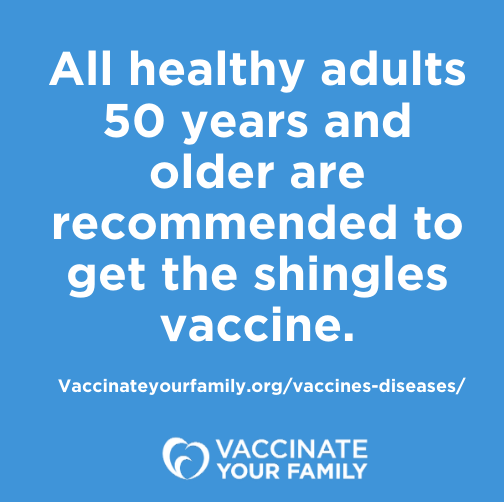
Anyone who has had chickenpox is at risk for developing shingles. However, the risk increases with age, and it is most common in people aged 50 and older. While less common, shingles can also occur in children.
Shingles is more likely to occur in individuals with weakened immune systems. This can be due to aging, conditions like HIV or cancer, cancer treatments, excessive sun exposure, or medications taken after an organ transplant.

Cover the rash. The risk of spreading the virus is low as long as the rash is covered.
Shingles symptoms typically begin as pain, itching, or tingling in the area where the rash will later appear. This may occur anywhere from 1 to 5 days before the rash shows up.
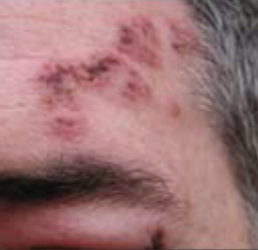
Once the rash develops, it usually forms a single stripe along one side of the body, or in some cases, on one side of the face. The rash consists of fluid-filled blisters that generally scab over within 7 to 10 days. The rash typically clears up within 2 to 4 weeks.
In rare cases, especially among individuals with weakened immune systems, the rash can be more widespread and resemble a chickenpox rash. For visual reference, you can find photos of shingles cases on the CDC website.
Additional symptoms may include fever, headache, chills, tiredness, and an upset stomach.
Added as a final paragraph: If you think you may have shingles, seek medical care as soon as possible, ideally within 3 days of rash onset, as antiviral treatment is most effective when started early.
The most common complication of shingles is post-herpetic neuralgia (PHN), a condition where severe pain persists in the areas where the shingles rash occurred, even after the rash has healed (typically after 90 days or more). About 10 to 20 percent of people who get shingles will develop PHN. While the pain from PHN usually improves within weeks or months, for some people, it can last for years and significantly impact daily life. The risk of developing PHN increases with age, and the pain tends to be more severe in older individuals. PHN is rare in people under 40 years old.
In addition to PHN, shingles can lead to serious complications, particularly involving the eyes. In rare cases, shingles may also cause pneumonia, hearing loss, blindness, brain inflammation, or even death. Adults face a higher risk of hospitalization and death from chickenpox complications.
Shingles on the face can affect the eye and cause vision loss.
Several antiviral medicines are available to treat shingles and can help shorten the duration of the rash and reduce pain. For the best results, antiviral medications should be started as soon as possible after the shingles rash appears, ideally within 72 hours of rash onset. However, treatment may still be beneficial after 72 hours if new blisters are still forming or if eye or nervous system complications are present. If you suspect you have shingles, it’s important to contact your healthcare provider right away to discuss treatment options.
Unfortunately, there is no cure for PHN but it is treatable.
The best way to protect yourself from shingles and its complications is to receive the shingles vaccine, called Shingrix. The shingles vaccine is 97% effective in preventing shingles in people ages 50–69 and 91% effective in people aged 70 and older. The vaccine is also 91% effective in preventing postherpetic neuralgia (PHN) in adults 50 years and older.
The Two CDC recommends 2 doses of the shingles vaccine is recommended for thosefor people who are:
For the best protection, you need both recommended doses of the shingles vaccine. The second dose should be given 2–6 months after the first dose.
Place of Residence: Eagle Pass, Texas Leticia is a devoted Community Health Worker at heart. She loves to help others by providing health information and connecting them to trustworthy resources. In her free time, she…

Place of Residence: Mystic, Connecticut Amy Pisani, CEO of Vaccinate Your Family, is committed to advocating for the use of vaccination to prevent disease. Throughout her extensive career in public health, she has encountered survivors…

Place of Residence: Mystic, Connecticut At age 21, Leslie was a healthy college student who was looking forward to starting her career as an elementary school teacher. She didn’t realize that chickenpox was not only…

Kerri’s 1-year-old son Rory got a terrible case of the chickenpox in November 2019 due to a lack of community immunity (also referred to as herd immunity). Kerri shares how her son’s serious case of…
To ensure that your family is up to date on their vaccines, view or download the immunization schedules and talk to your healthcare provider.
Even after having shingles, vaccination is recommended to lower the chances of getting shingles again. Although there’s no fixed wait time after shingles, you should wait until the rash has healed. For the most accurate guidance, check with your healthcare provider before getting vaccinated.
If you are 50 years of age or older, you should get the shingles vaccine whether you remember having had chickenpox in the past or not. Nearly all (>99%) Americans born before 1980 have had chickenpox, even if they do not remember it.
Studies show that the shingles vaccine is both safe and effective, helping your body build a strong defense against the virus. While the vaccine protects you, some people may experience short-term side effects that could interfere with daily activities for 2 to 3 days.
Common short-term side effects:
You may experience one or more of these, or none at all.
Serious, rare side effects from the shingles vaccine are uncommon. Seek medical care right away if you experience any of the following after vaccination:
The benefits of Shingrix in preventing shingles and its complications far outweigh the risks.