Flu
What is flu?
Influenza, commonly known as flu, is a serious and potentially deadly disease caused by the influenza virus. The CDC estimates that from 2010–2025, flu resulted in 9.4–51 million illnesses, 120,000–710,000 hospitalizations, and 6,300–52,000 deaths annually.
In the 2024–2025 season, the U.S. hit a grim milestone, with a record 289 pediatric flu-related deaths during a regular, non-pandemic season. Of those deaths, about 90% were not fully vaccinated.
On this page, you can explore how flu spreads, who is at risk for serious complications, what the symptoms are, emergency warning signs of flu, how to tell if you have flu or something else, how to protect yourself, how to prevent flu, flu vaccination for older adults and people with chronic health conditions, flu vaccination for pregnant women, and treatments for flu.
Flu resulted in 9.4–51 million illnesses annually between 2010–2025.
How does flu spread?
Flu spreads through the air when infected people cough, sneeze, or talk, allowing others nearby to inhale the virus. The virus can also spread when someone touches a surface contaminated with flu virus and then touches their eyes, mouth, or nose. Flu spreads quickly through communities as it passes from person to person.
You can spread flu to others before you even know you’re sick. People with the flu are most contagious during the first three days after symptoms appear. However, the virus can spread a day before symptoms appear, and you can remain contagious for up to 5–7 days after symptoms appear. Young children and people with weakened immune systems may be contagious for even longer. It’s best to stay home while sick to avoid spreading flu to others. Generally, you can resume normal activities once your symptoms have improved and you have been fever-free for 24 hours (without using fever-reducing medication).
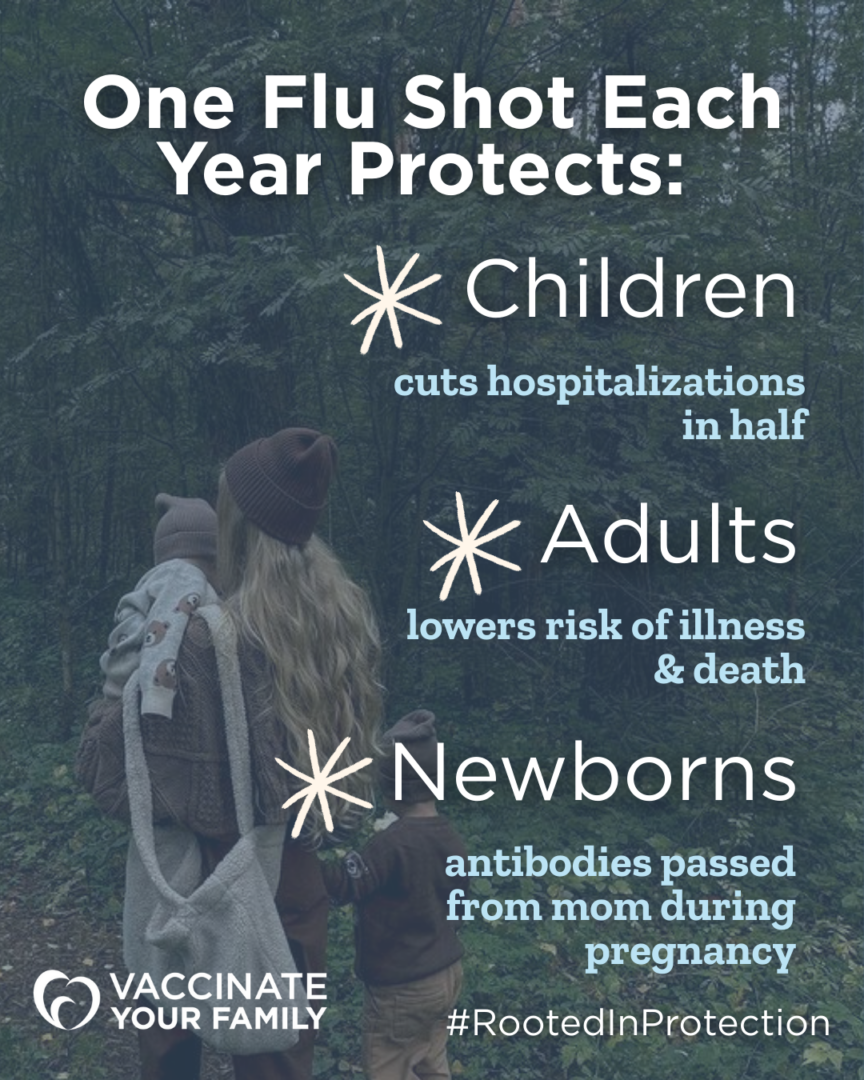
Serious flu complications can lead to hospitalization, disability, or death, even in otherwise healthy individuals, including children and adults. Certain groups of people are at higher risk for severe complications:
- Children younger than 5 years old, especially children under 6 months with underlying medical conditions related to developing immune systems and airway vulnerabilities
- Adults 65 years and older
- Pregnant women and those up to two weeks postpartum
- Residents of nursing homes and other long-term care facilities
- People from certain racial and ethnic groups, including communities of color, American Indians, and Alaska Natives
- People younger than 19 years old on long-term aspirin or salicylate-containing medications
- People with weakened immune systems due to conditions like cancer (chemotherapy or radiation), chronic corticosteroid use, or other immune-suppressing medications
- Individuals with chronic medical conditions, including:
- Asthma
- Diabetes (and other endocrine disorders)
- Heart disease and a history of stroke
- Chronic kidney disease, including those who have had a kidney transplant or are on dialysis
- Liver disorders
- HIV
- Neurologic or neurodevelopmental conditions
- Blood disorders like sickle cell disease
- Chronic lung diseases, such as COPD
- Metabolic disorders
- Obesity (BMI of 40 or higher)
- Cancer or a history of cancer, particularly lymphoma or leukemia

Flu can spread through the air.
People with flu can spread it to others up to about 6 feet away.
What are the symptoms of flu?
Flu can cause mild to severe illness and, in some cases, it can be fatal. Symptoms typically appear suddenly and may include:
- Fever or chills
- Cough
- Sore throat
- Runny or stuffy nose
- Muscle or body aches
- Headaches
- Fatigue (tiredness)
- Vomiting and diarrhea (more common in children than adults)
It is important to know that some people with a flu infection may not show any symptoms.

What are the emergency warning signs of flu?
Flu can be serious for anyone, regardless of age, health status, or lifestyle. It’s important to know the warning signs of flu complications and seek timely medical care.

In children
- Fast or difficult breathing
- Bluish lips or face
- Ribs pulling in with each breath
- Chest pain
- Severe muscle pain (child may refuse to walk)
- Dehydration (no urine for 8 hours, dry mouth, no tears when crying)
- Not alert or interacting when awake
- Seizures
- Fever above 104 degrees Fahrenheit that is not controlled with medication
- Fever in any infant younger than 12 weeks old
- Fever or cough that improves but then returns or worsens
- Worsening of chronic medical conditions

In adults
- Difficulty breathing or shortness of breath
- Persistent pain or pressure in the chest or abdomen
- Persistent dizziness, confusion, or inability to arouse
- Seizures
- Dehydration (not urinating)
- Severe muscle pain
- Severe weakness or unsteadiness
- Fever or cough that improves but then returns or worsens
- Worsening of chronic medical conditions
The CDC estimates that flu has resulted in 120,000–710,000 hospitalizations and 6,300–52,000 deaths annually between 2010 and 2025.
How can I tell if I have flu or something else?
Many respiratory diseases like flu, COVID, and respiratory syncytial virus (RSV) can circulate at the same time, so it’s important to be properly diagnosed to determine appropriate treatment
There are a number of tests available to determine if you have the flu, including tests that can be given in a healthcare setting, such as a doctor’s office, urgent care clinic, or pharmacy with testing services. There are also tests that you can purchase at a pharmacy and take at home. Keep in mind that at-home rapid tests may not detect flu in all cases. A negative result does not always rule out infection, especially early in illness or in high-risk individuals. When in doubt, contact your healthcare provider.

A yearly flu vaccine is the best way to protect yourself from flu. Flu vaccines are updated every year to help protect against three flu strains—two influenza A and one influenza B. The information used to make these updates is based on year-round, global surveillance.
Flu season is unpredictable, but it often peaks in January or February. The American Academy of Pediatrics (AAP) and American Academy of Family Physicians (AAFP) recommend everyone 6 months and older get a flu vaccine, ideally by the end of October, although getting vaccinated later in the season can still be beneficial.
There are a range of options for flu protection. An at-home, needle-free nasal spray flu vaccine option is now available for some people. Learn more about the current flu season.
It takes about two weeks after vaccination for your body to build immunity to flu.

It’s important to get vaccinated before flu season starts circulating in your community. Flu vaccination is especially important for those people at higher risk of serious flu-related complications.
All flu vaccines available in the U.S. protect against the same three flu strains, but some flu vaccines are made in different ways, so there are options for vaccination. Most flu vaccines are standard, but one is a needle-free nasal spray, also known as a live attenuated influenza vaccine (LAIV).
There are also three special flu vaccine options for adults aged 65 years and older, including high-dose, adjuvanted, and recombinant, which offer enhanced protection. It’s important to consult with a trusted healthcare provider or pharmacist to determine which flu vaccine is right for you based on your age, health status, and lifestyle.
Along with the flu vaccine, handwashing, covering coughs and sneezes, and staying home when sick are ways to help prevent getting sick and to keep others from catching the virus should you be sick.
How can you prevent flu?
The best thing you can do to protect yourself and your family from the flu is to get vaccinated every year. Because flu viruses change constantly, the vaccine is updated annually to match the strains most likely to circulate each season, making it important to get a new vaccine even if you were vaccinated last year. Everyday habits like washing hands, covering coughs, and staying home when sick also help slow the spread, but no habit offers the same level of protection as the flu vaccine.

Babies, Children, Preteens, and Teens
All children 6 months and older are recommended to receive a flu vaccine every year. Depending on your child’s vaccination history, they may need 1 or 2 doses.
Children who only need 1 dose include:
- Children 6 months to 8 years who have previously received at least 2 doses of a flu vaccine, spaced at least 4 weeks apart
- Children 9 years and older
Children who need 2 doses (given 4 weeks apart) include:
- Children 6 months to 8 years who have never received a flu vaccine or whose vaccination history is unknown
- Children 6 months to 8 years who have received only one lifetime dose of flu vaccine before July 1 of the current season
- Children who turn 9 years old between their first and second dose should still receive the second dose

Adults
All adults should get a flu vaccine every year. Even healthy adults of all ages can become seriously ill from flu. The flu and pneumonia, a common complication of the flu, are among the leading causes of death in the U.S. Other flu complications can include inflammation of the heart (myocarditis) or brain (encephalitis), and multi-organ failure (e.g., kidney failure). Flu can also lead to life-threatening sepsis. By vaccinating everyone in your family each year, you help protect yourself and your loved ones from the risks of serious illness and death due to flu.
Older Adults and People with Chronic Health Conditions
Flu vaccination has been found to reduce flu illness and serious complications, such as hospitalization and death, especially in older adults. As immune defenses weaken with age, it’s crucial for people 65 and older to get a flu vaccine every year.
Vaccination is particularly important for individuals with chronic conditions, as they are at higher risk for severe illness, complications, and even death from flu.
Specific flu vaccine options are recommended for people ages 65 years and older, including high-dose, adjuvanted, or recombinant. This recommendation is based on studies that suggest these flu vaccines may be more effective than standard flu vaccines for this age group. People 65 and older should not receive the needle-free nasal spray flu vaccine (LAIV). If none of the recommended enhanced vaccines are available, a standard-dose flu vaccine should be used instead.
The CDC estimates that 70–85% of flu-related deaths and 50–70% of flu-related hospitalizations occur in people aged 65 years and older.
It’s always best to talk to your healthcare provider or pharmacist to determine which flu vaccine is right for you.
Pregnant Women
Getting sick with the flu can cause serious problems for a pregnant woman and her baby. If you are pregnant during flu season, pregnancy experts agree that the best way to protect both yourself and your baby from flu is to get vaccinated. A flu vaccine (not the nasal spray vaccine) can safely be given during any trimester of pregnancy. And getting vaccinated while pregnant helps protect your baby following birth, too.
Pregnancy causes changes in the immune system, heart, and lungs, making those who are pregnant (and those in the first two weeks postpartum) more vulnerable to severe flu illness. They are also at higher risk of hospitalization and death from flu compared to non-pregnant women. A 2018 study found that getting a flu vaccine reduced the risk of hospitalization due to flu by an average of 40% for pregnant women.
A 2018 study found that getting a flu shot reduced the risk of hospitalization due to the flu by an average of 40% for pregnant women.
Flu-related complications during pregnancy can also pose risks to the baby, including premature labor, early delivery, and birth defects.
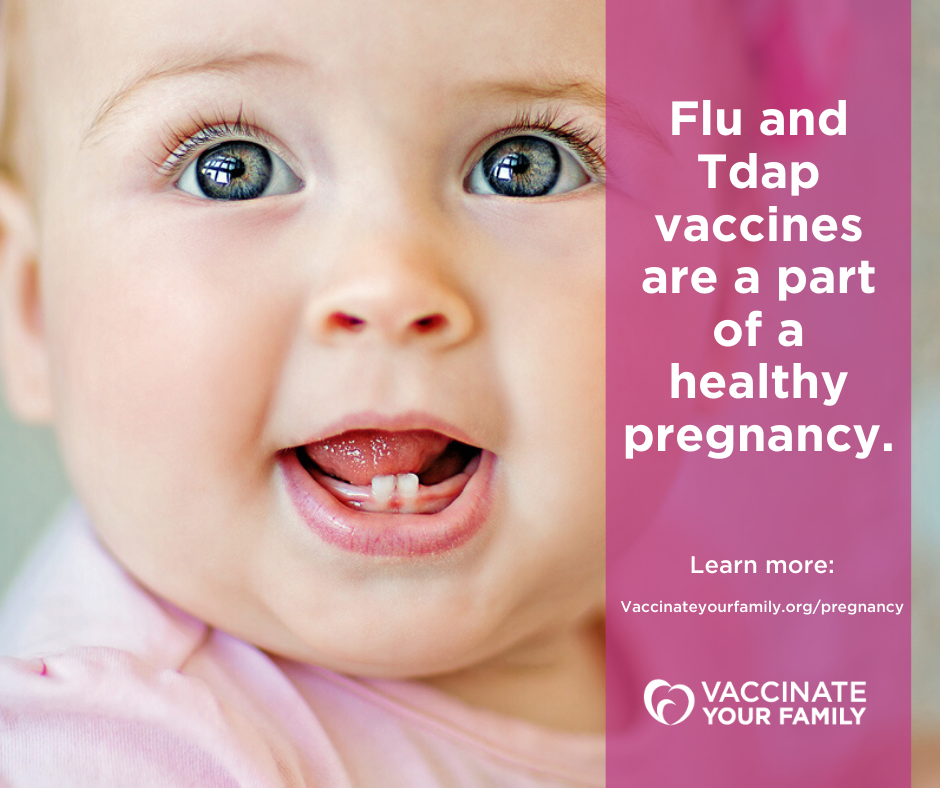
Getting a flu vaccine during pregnancy can protect the baby from flu for several months after it’s born since the mother can pass antibodies on to the baby before birth.
A 2023 study published in JAMA Pediatrics found that flu vaccination during pregnancy reduced the risk of flu-related emergency department visits and hospitalizations in infants younger than 6 months by about one-third, with the strongest protection, about 40%, seen against hospitalizations.
Since infants cannot be vaccinated until they are 6 months old, it’s also important for anyone who will be around a newborn to be vaccinated against flu.
Are there treatments for flu?
If you do get sick with the flu, there are prescription antiviral medications that can help reduce the length and severity of your illness. These medications are most effective if taken early, within 48 hours (2 days) of when you first start showing symptoms, but high-risk individuals should still seek antiviral treatment even beyond the 48-hour window. It’s important to remember that these prescription medications are NOT a substitute for an annual flu vaccination.
Because flu is a virus, it requires an antiviral medication for treatment; antibiotics will not treat flu.
Prompt treatment with antiviral medications is recommended for people with flu or suspected flu who are at higher risk of serious flu complications, including those 65 years and older, young children, pregnant women, and people with chronic medical conditions.
Learn more about the current flu season here.
Immunization Schedules
To ensure that your family is up to date on their vaccines, view or download the immunization schedules and talk to your healthcare provider.
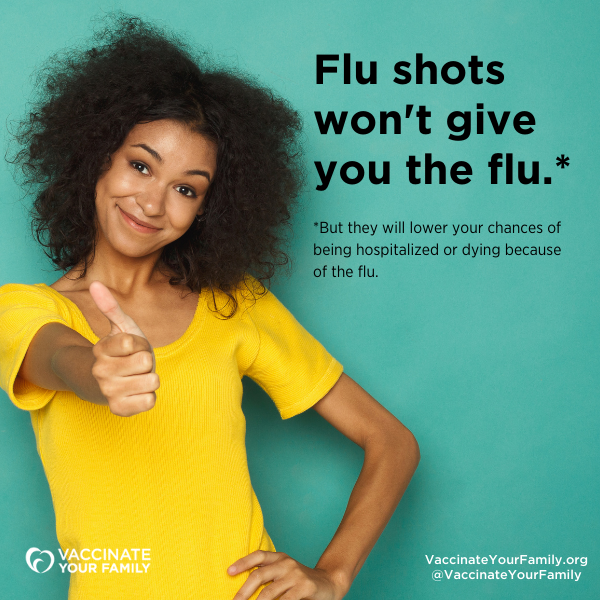
No. Flu vaccines cannot cause flu because they do not contain a live virus that is capable of causing illness. Flu vaccines are made from either flu viruses that have been inactivated (killed) or proteins from a flu virus (only parts of the virus are used instead of the whole virus).
The needle-free nasal spray flu vaccine is made with a weakened live virus and cannot cause flu. The weakened flu viruses are cold-adapted, which means they are designed not to infect your lungs or other warmer areas of your body.
While some people may get mild side effects from a flu vaccine, like a sore arm, headache, muscle aches, or a low-grade fever, those side effects usually only last 1-2 days. These are signs that the vaccine is working and your body is building immunity, which is what it’s supposed to do. Mild side effects following vaccination are almost always less serious than what you would experience with an actual infection.
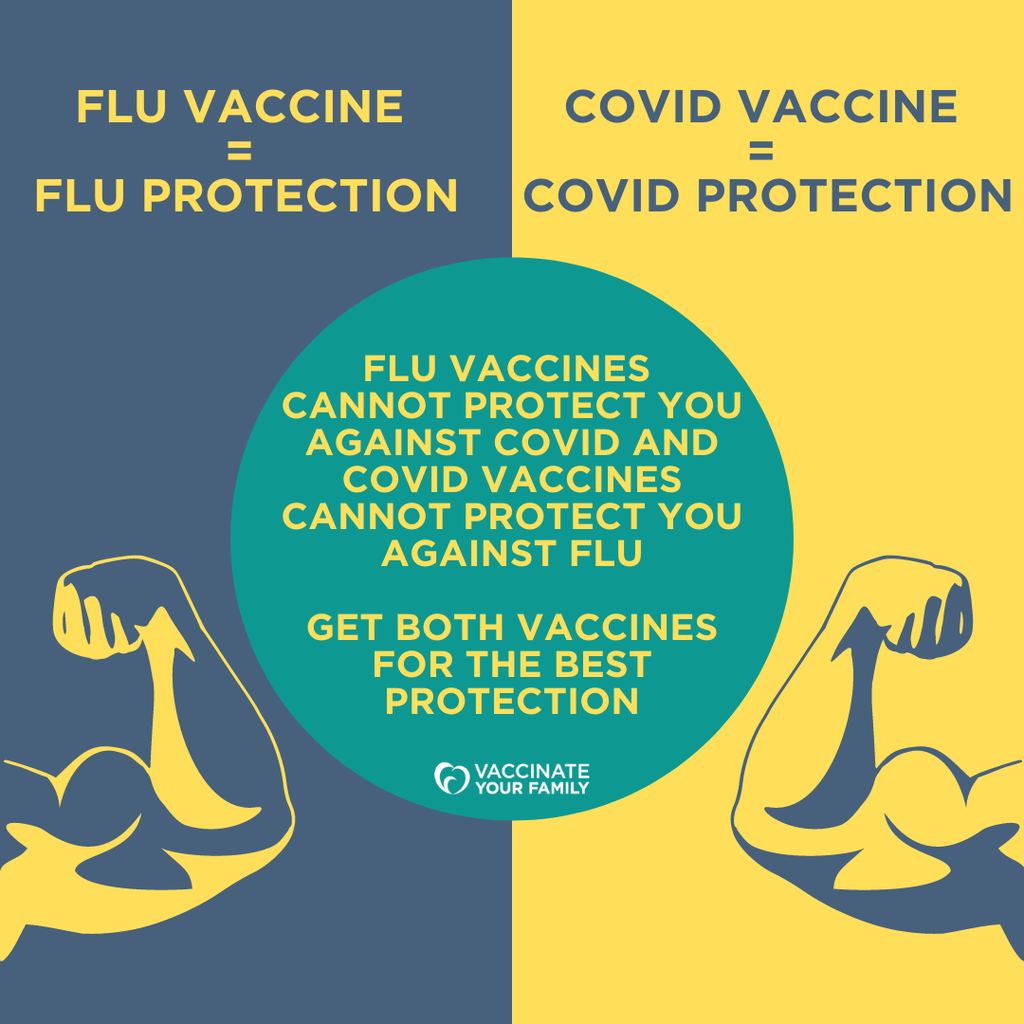
Because it takes your body about two weeks following vaccination to build up immunity, it’s also possible that you were exposed to flu before you were fully protected. It’s also important to note that flu vaccines only protect you against flu, not other viruses such as COVID-19 or respiratory syncytial virus (RSV).
It’s important to get an annual flu vaccine every year for two reasons: 1) flu viruses can change from year to year; and 2) your protection from previous flu vaccines can decline over time.
Every year, new flu vaccines are created to protect against flu viruses that year-round global surveillance suggests will be most common during the upcoming flu season.
All flu vaccines for a given season are formulated to protect against the same flu virus strains. However, different vaccine types are approved for different age groups, and some people, including pregnant women and those with weakened immune systems, should receive the flu vaccine rather than the needle-free nasal spray. To figure out which flu vaccine may be best for you and your family, it’s important to talk to a pharmacist or trusted healthcare provider.
Yes, people with egg allergies can safely get a flu vaccine. People with egg allergies do not need to take any special precautions when getting a flu vaccine, whether it’s egg-based or not. People with egg allergies are no more likely to have an allergic reaction to a flu vaccine than people without egg allergies, even with egg-based vaccines. There are egg-free options, including recombinant and cell-based flu vaccines. If you have concerns, talk to a trusted healthcare provider or pharmacist to determine which flu vaccine is best for you.
Although the effectiveness of flu vaccines can vary from season to season, research shows it still provides significant, lifesaving benefits for you and your family. Most importantly, flu vaccines help prevent severe outcomes like hospitalization, disability, and death. Here are some ways flu vaccines help protect us:
- Prevents illness: Flu vaccines help keep you from getting sick with flu. Like other vaccines, flu vaccines are not 100% effective – but if you do get sick, chances are you won’t be as sick as someone who didn’t get vaccinated.
- Reduces severity: If you do get flu, the flu vaccine can reduce the severity of symptoms and shorten the duration of illness.
- Lowers risk of death: A 2017 study found that flu vaccination can reduce a child’s risk of dying from flu by 65% in healthy children and 51% in those with high-risk medical conditions.
- Prevents hospitalizations: Flu vaccination significantly reduces the risk of hospitalization, preventing tens of thousands of flu-related hospital stays each year. A 2021 study showed that among adults hospitalized with flu, those who were vaccinated had a 26% lower risk of ICU admission and a 31% lower risk of death compared to unvaccinated patients.
- Protects vulnerable groups: Vaccination helps protect those who are at higher risk of serious flu complications, including babies, young children, older adults, and people with chronic conditions like heart disease, diabetes, and lung disease.
- Reduces heart-related risks: Flu vaccination has been linked to fewer cardiac events among people with heart disease, especially those who had a heart issue in the past year.
- Safeguards pregnant women and their babies: A 2018 study found that flu vaccination reduced a pregnant woman’s risk of hospitalization by 40%. Additionally, flu vaccination helps protect the baby from flu for several months after birth.
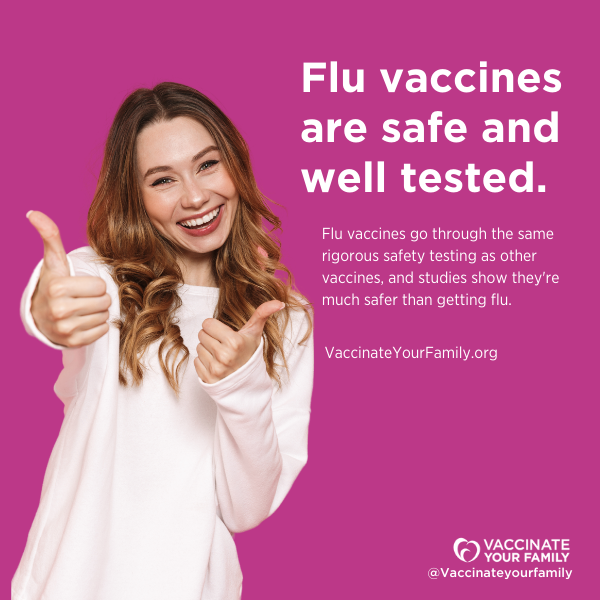
Flu vaccines have been safely given to millions of pregnant women over more than five decades. They are closely monitored for safety through U.S. vaccine safety systems , including the Vaccine Adverse Event Reporting System (VAERS), Vaccine Safety Datalink (VSD), and the Clinical Immunization Safety Assessment (CISA). Studies show that flu vaccinations are safe during any trimester for both pregnant women and their babies.
It is also safe to get a flu vaccine while breastfeeding. Mothers who are vaccinated while breastfeeding can pass some antibodies to the baby through breastmilk, which may offer some additional protection against the flu. If you missed a flu vaccine during pregnancy, it’s important to get vaccinated before leaving the hospital.
Learn more about flu vaccination during pregnancy.
Both flu and COVID-19 are contagious and potentially serious respiratory illnesses, but they are caused by different viruses. You will not be able to tell the difference between flu and COVID-19 by the symptoms alone because many of the signs and symptoms are the same. A flu test and/or a COVID-19 test is needed to confirm a diagnosis. There are also tests that can test for both flu and COVID at the same time. Tests can be done by a healthcare provider or at home. Many at-home tests can check for both flu and COVID-19 at the same time. Learn more here about the similarities and differences between COVID-19 and flu.
Flu usually comes suddenly and has more severe symptoms than a cold. Although some people with flu have fever, not everyone will. The symptoms of flu can include fever or feeling feverish/chills, cough, sore throat, runny or stuffy nose, muscle or body aches, headaches, and tiredness. Cold symptoms are usually milder than the symptoms of flu. People with colds are more likely to have a runny or stuffy nose. Colds generally do not result in serious health problems. See the differences and similarities between flu and a cold.
Influenza (flu) is a respiratory virus that primarily affects the nose, throat, and lungs. The “stomach flu” is actually not a type of flu but rather a medical condition known as gastroenteritis. Sometimes people will also refer to this condition as a “stomach bug.” Gastroenteritis is an inflammation of the stomach and intestines that is most often caused by a virus, though bacteria and parasites can also be responsible. It causes symptoms like watery diarrhea, stomach cramps, nausea or vomiting, and sometimes fever.
Learn more here.