Chronic Health Conditions and Vaccines
Vaccines matter when you have a chronic condition
Chronic health conditions change how your body handles infection. Diabetes, heart disease, lung disease, kidney and liver disease, and a weakened immune system all make it harder to fight off viruses and bacteria. When you have a chronic disease and get sick, you are more likely to get seriously sick.
Even when your condition is well managed and you feel healthy, it does not mean you have a lower risk of getting sick. Vaccines are one of the simplest ways to keep a potentially harmful illness from turning into a hospital stay.
adults who end up in the hospital with flu have a health condition.
Infection can also throw a well-controlled condition off balance. For example, influenza (flu) can raise blood sugar in people with diabetes. It can strain a heart already working hard and inflame lungs already struggling.
Age can also affect how your immune system works. Older adults may have a weaker response to vaccines and are also more likely to have chronic conditions. That is why adults age 65 and older should ask for a flu vaccine made for their age group. A higher-dose version gives a stronger response than a standard dose.
Other vaccines have special recommendations for older adults. This is why it is important to talk with your healthcare provider about which vaccines are important for your age and condition.
What do chronic conditions mean for disease and vaccines?

Diabetes
High blood sugar weakens the immune system.
About 3 in 10 adults hospitalized with the flu have diabetes because the flu drives up blood sugar, making the illness harder to manage.
Diabetes also raises the risk of hepatitis B because the virus can spread through shared blood sugar monitoring equipment.

Asthma, COPD, and other lung conditions
These conditions cause the airways to swell and fill with mucus.
An infection adds more swelling and mucus to lungs that are already not well.
People with chronic lung conditions are more prone to pneumonia, and the risk is much greater with a vaccine-preventable infection.
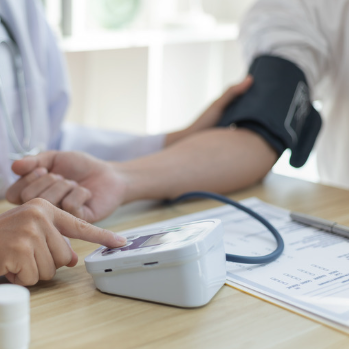
Heart disease
Infection puts stress on the heart.
Inflammation from fighting off an infection can raise blood pressure and increase the risk of blood clots. A clot is what causes most heart attacks.
If your arteries are already narrowed, more strain on the heart can be life-threatening. And this can happen even when your heart condition is well controlled.

A weakened immune system
This includes people having cancer treatment, people who have had a transplant, people taking medicine that weakens the immune system, and people with serious HIV disease.
Vaccines may not work as well for someone with a weakened immune system, so they may need extra doses or different vaccines.
Some vaccines are not recommended for people with weakened immune systems. Ask your healthcare provider about the right vaccines for you and getting them before treatments.

Kidney and liver disease
Kidney and liver diseases raise the risk of serious illness from infections. Both change which vaccines are needed and how many doses.
Hepatitis A and hepatitis B vaccination are most important for these diseases.

Sickle cell disease and other conditions affecting the spleen
A spleen that does not work well leaves a person open to serious bacterial infections.
Pneumococcal, meningococcal, and Hib vaccines are all important for people with these chronic conditions.
Which vaccines do adults with chronic conditions need?
These are the vaccines that matter most for adults living with a chronic health condition. A healthcare provider can explain which ones are needed and when.
Everyone 6 months and older needs an influenza (flu) vaccine every year because protection fades over time, and the viruses change from year to year.
Adults age 65 and older should ask for a vaccine made for their age group, which is a higher dose that makes a stronger response than the standard dose.
The nasal spray contains a live virus, is approved for ages 2 through 49, and is not recommended for people with weakened immune systems.
COVID-19 vaccination is recommended for all adults age 19 and older.
People age 65 and older, people who have never been vaccinated, and people with chronic conditions are the highest priority.
People with a weakened immune system often need more doses.
The pneumococcal vaccines protect against bacteria that cause pneumonia, bloodstream infections, and meningitis.
Adults age 50 and older need to be vaccinated.
So do adults ages 19–49 who have:
- Diabetes
- Chronic heart disease
- Chronic lung disease
- Kidney disease
- Liver disease,
- Weakened immune system
Adults who smoke also need to be vaccinated.
Adults age 75 and older need one dose of respiratory syncytial virus (RSV) vaccine.
Adults ages 50–74 need it if they have a condition that raises their risk, including:
- Chronic heart disease
- Lung disease
- Diabetes with organ damage
- Severe obesity
- End-stage kidney disease.
This is a one-time dose, not a yearly one.
The zoster (shingles) vaccine is given in two doses.
Adults age 50 and older need it.
Adults age 19 and older need it if they have a weakened immune system.
The shingles vaccine used today is not a live vaccine, so it is safe for people with weakened immune systems.
Tdap protects against tetanus, diphtheria, and pertussis (whooping cough). Td protects against tetanus and diphtheria only.
After one dose of either vaccine, a booster is needed every 10 years.
Staying current on boosters more important with age or a chronic condition.
All adults ages 19–59 need a hepatitis B vaccine.
Adults age 60 and older need it if they have diabetes, liver disease, kidney disease, or another risk factor.
The hepatitis A vaccine is especially important for adults with chronic liver disease.
Your healthcare provider can help determine if this vaccine is necessary.
What about live vaccines?
A small number of vaccines contain a weakened form of a live virus. The ones adults are most likely to come across are MMR, chickenpox, and the nasal spray flu vaccine. These are usually not recommended for people with a weakened immune system, and they are not given during pregnancy.
The injectable version of the flu vaccine is safe for people with weakened immune systems. And if someone cannot get a live vaccine, they can still have some protection if friends and family members are vaccinated.
Healthcare providers and pharmacists can help determine which vaccines someone with a weakened immune system can safely get.
Is pregnancy a chronic condition?
Pregnancy is not technically a chronic condition, but it changes how the body handles infection in some of the same ways.
The mother’s immune system, heart, and lungs are all working harder during pregnancy. That raises the risk of getting sick. And raises the risk further if the pregnant woman also lives with a condition like diabetes or asthma.
The American College of Obstetricians and Gynecologists (ACOG) recommends four important vaccines during pregnancy:
- Flu vaccine: At any point in pregnancy, ideally by the end of October
- COVID-19 vaccine: At any point in pregnancy
- Tdap vaccine: Between 27 and 36 weeks, during every pregnancy
- RSV vaccine: Between 32 and 36 weeks, if you are pregnant during RSV season (September–January in most of the U.S.)
Some vaccines are not recommended during pregnancy.


What about children with chronic conditions?
Children can have chronic health conditions, as well.
Additionally, babies and very young children are much more prone to getting sick because of their age and developing immune system.
See the resources below for information on which vaccines children need who have chronic health conditions
- CHOP Vaccine Education Center: 4 Vaccine Considerations for Those with Chronic Medical Conditions, Including Disabilities
- Jude Children’s Research Hospital: Vaccines in Children with a Serious Illness
- Champions for Vaccine Education, Equity and Progress (CVEEP): Keeping Children with Chronic Conditions Protected through Immunization
Immunization Schedules
To ensure that your family is up to date on their vaccines, view or download the immunization schedules and talk to your healthcare provider.