Pets Are Family Too—and Their Vaccines Keep Us All Healthy
By Marybeth Daucher, Ph.D., Member of VYF’s Committee of Scientific and Medical Advisors
For many of us, pets aren’t just companions—they’re family.
We celebrate their birthdays, worry when they’re sick,and do everything we can to keep them safe. But recent headlines point to a concerning trend: more pet owners are questioning or declining routine vaccinations for their animals.
Veterinarians across the country report that conversations about pet vaccines have become more challenging. Some pet parents are choosing to delay or refuse vaccinations altogether, a shift many experts link to the rise in human vaccine hesitancy during the COVID-19 pandemic. This growing skepticism doesn’t just affect individual pets—it has broader implications for public health.
So what vaccines do pets actually need?
According to the American Animal Hospital Association (AAHA), all dogs should have the following core vaccines:
- Distemper
- Adenovirus
- Parvovirus
- +/- Parainfluenza
- Leptospira
- Rabies
For cats, the AAHA recommends these core vaccines:
- FHV-1 (feline herpesvirus-1)
- FCV (feline calicivirus)
- FPV (feline panleukopenia)
- Rabies
- FeLV (feline leukemia)
These vaccines are essential because they protect against serious, often life-threatening diseases. But the impact doesn’t stop with pets. Declining pet vaccination coverage rates (VCRs) can also put humans at risk. Pets can spread diseases to their human owners or other people in their community.
Take rabies, for example. Thanks to widespread vaccination of pets, rabies is now a rare public health threat in the United States—but that success depends on maintaining high vaccination rates. Dogs are responsible for 99% of human rabies cases worldwide, and the disease is nearly always fatal once symptoms appear (CDC).
If someone is exposed to rabies—through a bite or scratch—they must undergo urgent and extensive treatment, including a series of vaccinations, to prevent the disease from progressing. Without prompt care, the outcome can be devastating.
The concept of One Health– the idea that human, animal, and environmental health are deeply intertwined- has never been more relevant. Diseases do not respect species boundaries, and neither does the damage done when vaccination rates decline. When pet owners choose to skip vaccines, they are not making a purely personal decision. They are altering the protective wall that shields everyone around them: family members, neighbors, and their broader community.
Vaccinate Your Family emphasizes that protecting against vaccine-preventable diseases means safeguarding your entire household—including pets. When pets are vaccinated, they form a protective barrier that helps prevent the spread of disease within communities.
What you can do right now: Talk to your veterinarian about which vaccines your pet needs. Keeping them protected helps ensure a healthier, safer environment for your entire family.
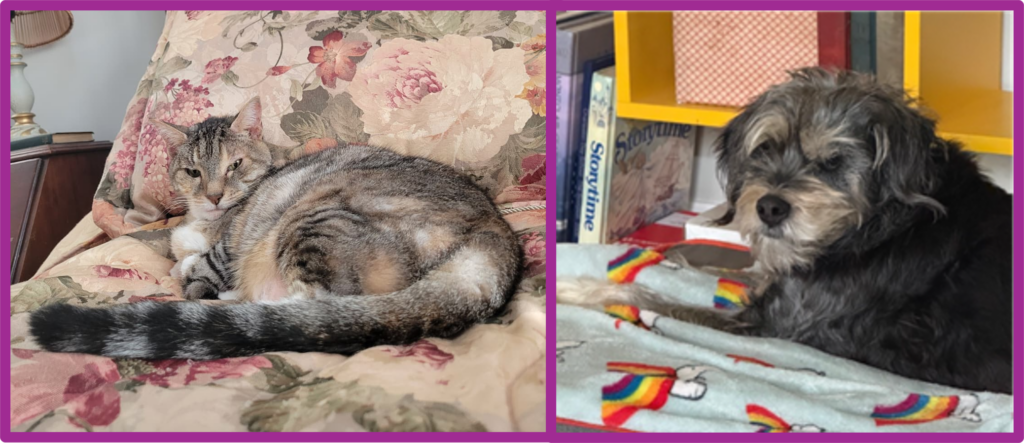
Eileen the cat and Bennett the dog, pets of Vaccinate Your Family staff.