Winter Wellness
Staying Healthy While Seasonal Viruses Surge
Download VYF’s Respiratory Season Toolkit here (also available in Spanish).
- COVID-19, flu, RSV, and pneumococcal disease can spread at the same time during the respiratory season.
- These illnesses can disrupt school, work, holidays, and time with loved ones.
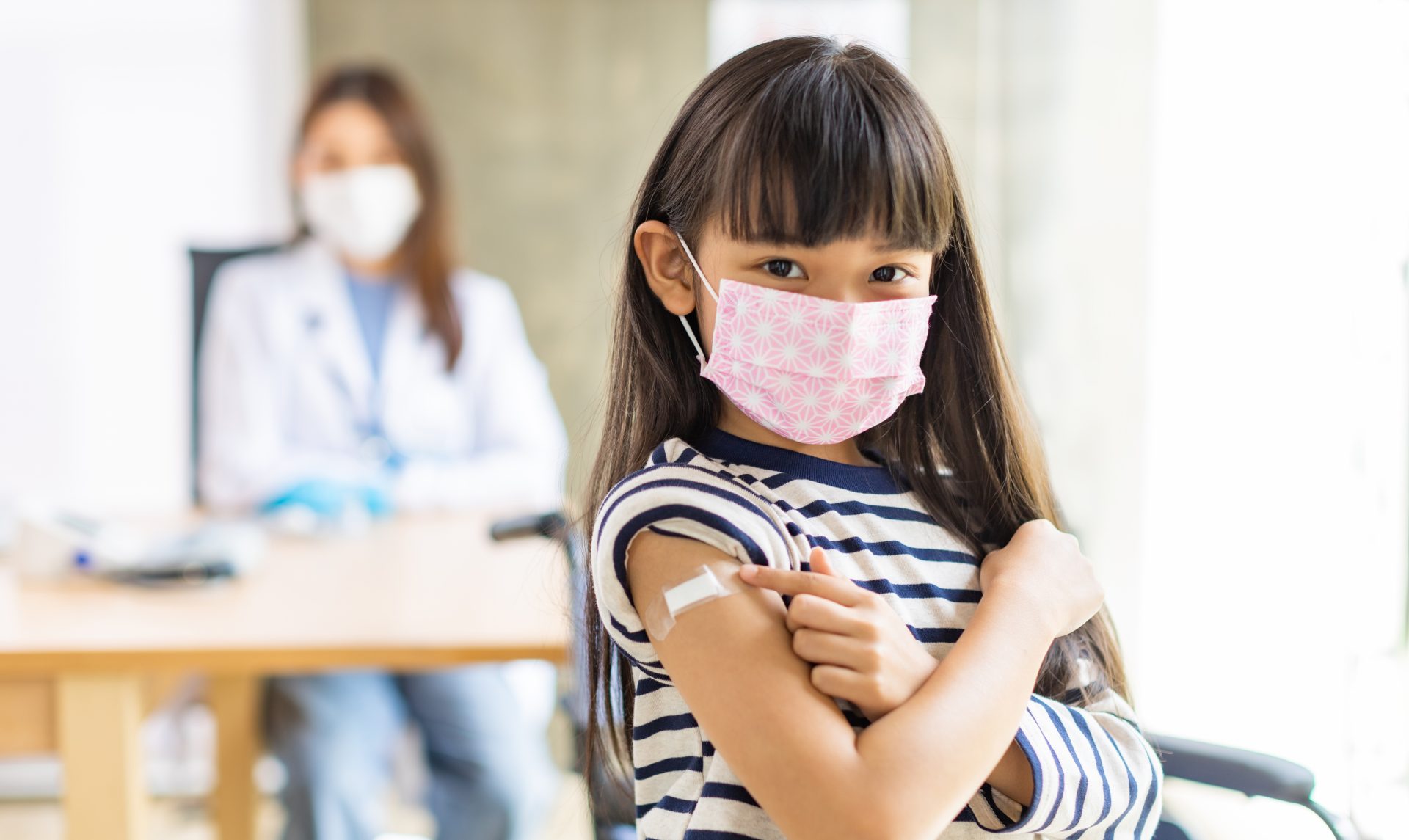
- Protect your family, from babies and children to parents and grandparents with recommended vaccines and preventive options.
- Explore the resources below to learn how to PROTECT, PREPARE, and PREVENT this season.
of pediatric flu deaths in the 2025–2026 season were among children not fully vaccinated against influenza.
Click here for 2026–27 flu season facts, including when to get vaccinated and who is at higher risk.

Everyone should get a seasonal flu and COVID-19 vaccines each year. Depending on your age and risk factors, you may also need RSV and pneumococcal vaccines.
Seasonal Illnesses & Prevention Tools
Protect Against Flu
Every year, flu sickens tens of millions of children, adults, and newborns; hospitalizes hundreds of thousands; and causes tens of thousands of deaths. Everyone 6 months and older should get an annual flu vaccine for the best protection against circulating viruses.
Annual flu vaccination:
- Protects kids by cutting hospitalization risk in half (on average)
- Shields adults 65 and older who face higher hospitalization and death rates
- Safeguards newborns through antibodies passed from vaccinated mothers during pregnancy
A flu vaccine each year keeps families healthy and protects communities.
Prevent RSV
Respiratory syncytial virus (RSV) is a common respiratory virus that usually spreads seasonally. It is most serious in infants, older adults, and those with compromised immune systems.
There are several effective new tools to prevent RSV in the groups at highest risk. People do not need RSV vaccine every year. All adults aged 75 and older and adults age 50–74 with risk factors should get an RSV vaccine. Babies should also be protected either through a vaccine given during pregnancy or a monoclonal antibody given after birth.

Avoid COVID-19
COVID-19 continues to pose a serious threat, especially for people at higher risk from severe COVID-19 infection, including older adults, especially those 65 and older, people with weakened immune systems, anyone with chronic health conditions, pregnant women, and young babies under 6 months, who are too young to be vaccinated and rely on antibodies passed through maternal vaccination during pregnancy.
Updated vaccines are recommended to lower the risk of serious illness, hospitalization, and death from COVID-19.
COVID-19 vaccines are recommended for adults 19 and older, all children 6–23 months, children ages 2–18 based on risk, and pregnant women at any time during pregnancy.
Guard Against Pneumococcal Disease
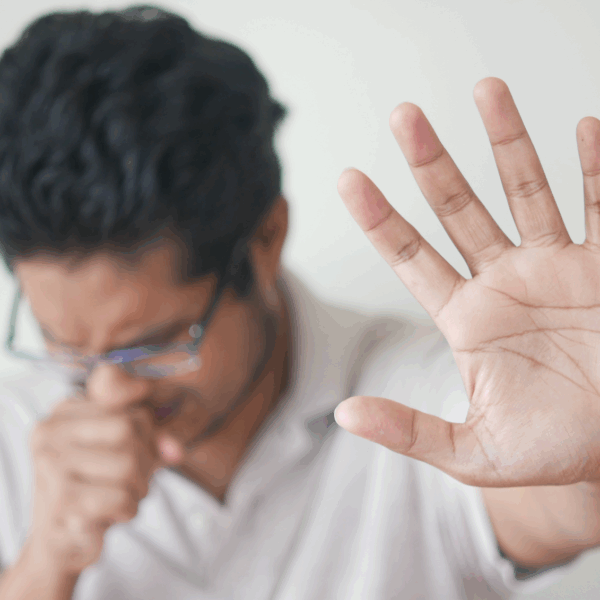
Pneumococcal disease is caused by the bacterium Streptococcus pneumoniae. It spreads through coughing and sneezing and can affect people of all ages, but young children (especially under the age of 2) and older adults 50 and older (especially those over 65 years) are at the highest risk for serious illness and death.
Types of pneumococcal disease include pneumonia, meningitis, bloodstream infections, and middle ear and sinus infections.
Many people, especially children, can carry the bacteria in their nose or throat without ever feeling sick or having symptoms. A carrier can spread the bacteria to others. The most effective way to prevent disease is vaccination.
Respiratory Season Mini-Courses
New this year: short, engaging courses offer clear, trustworthy information about COVID-19, flu, and RSV—making it easier than ever to get the answers you need, make confident health decisions, and talk with your loved ones about seasonal vaccines.
Mini-courses are part of our free online education offerings through Vaccinate Your Family University.